
You get in your car. You turn the key. Nothing happens. You try again. The wheel is frozen solid.
Don’t panic. Your car is not broken. This is a steering wheel lock, and it happens to almost every driver at some point.
This guide shows you exactly how to unlock it. We cover key-and-ignition cars, push-to-start cars, and aftermarket locks like The Club.
Quick Answer
Turn the steering wheel gently in the direction it moves freely. While holding that pressure, wiggle the key back and forth. Do not force either one. The lock will release in a few seconds.
Why the Steering Wheel Locks
The steering wheel lock is a safety feature, not a defect. It is a metal pin inside the steering column. When you remove the key, a spring pushes the pin into a slot on the steering shaft. This stops the wheel from turning.
This isn’t a random design choice. Since 1969, U.S. federal safety rules (FMVSS 114) have required most cars sold in America to have a system that locks the steering, the engine, or both when the key is removed. Automakers chose a steering lock to meet that requirement. It’s meant to stop a thief from hot-wiring your car and steering it away.
The problem: if you park on a hill or turn the wheel while the engine is off, the car’s weight pushes the pin firmly into its slot. That’s why the key feels stuck. It’s not broken. It’s just under pressure.
(I’m describing the general FMVSS 114 requirement here, not quoting exact regulatory text. If you want the legal language, NHTSA’s own interpretation letters on FMVSS 114 are the primary source — link below in References.)
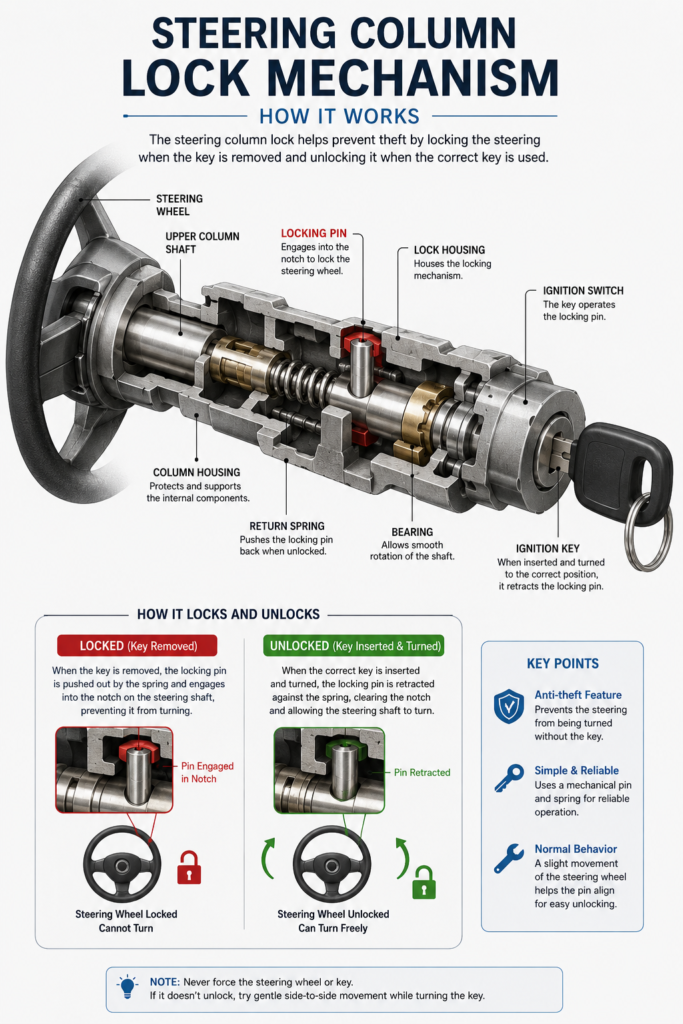
How to Disable a Factory Steering Wheel Lock (Standard Key Ignition)
This works on the large majority of key-ignition cars.
- Put the key in the ignition. Don’t force it yet. Let it rest in place.
- Grab the steering wheel with one hand. Try turning it gently in both directions. One side will feel like a hard stop. The other side will feel slightly springy.
- Hold the wheel toward the springy side. This takes weight off the lock pin.
- While holding the wheel, gently wiggle the key with your other hand. Don’t force it — just small back-and-forth movements.
- Feel for a click. The key will turn freely once the pin releases. The wheel unlocks at the same moment.
Why it works: Turning the wheel the right way relieves pressure on the pin. Jiggling the key helps the pin slide free. Force breaks keys. Gentle pressure releases locks.
How to Disable a Steering Lock on Push-to-Start Cars
Modern cars without a physical key can still lock the steering wheel. An electric motor controls the pin instead of a spring, and it’s designed to release when it detects your key fob.
Step 1: Check your fob battery. A dead fob battery means the car can’t confirm you’re the owner, so the lock stays engaged. Replace the CR2032 battery inside the fob.
Step 2: Try the emergency start procedure. Check your owner’s manual. Most push-to-start cars have a spot near the ignition button where you can hold the fob directly against the car to start it, even with a dead battery.
Step 3: Brake and wiggle. Press the brake pedal firmly. Grab the wheel and gently wiggle it left and right while pressing the start button. Just like a mechanical lock, releasing pressure on the pin lets the motor retract it.
How to Remove “The Club” Steering Wheel Lock (Lost Key)
Important: These steps are for people who own the vehicle and have lost their own key. Removing an anti-theft device from a car you don’t own is a crime.
If you’re locked out of your own Club-style lock, you have three options:
Option 1: Call a locksmith. This is the safest, least destructive option. A mobile locksmith can pick the lock. Expect to pay roughly $50–$150, though prices vary by region and locksmith — always confirm the quote before they start.
Option 2: Try lock lubricant. Spray a small amount of lock lubricant (not household oil) into the keyhole. Wait a couple of minutes, then try turning it with a spare key if you have one, or have a locksmith pick it afterward.
Option 3: Cut it (last resort). The Club is hardened steel, so a standard hacksaw won’t cut it. A high-speed rotary tool with a metal cutting wheel can cut through the lock body, but this destroys the device and can risk scratching your wheel or dash. Wear safety glasses. This should be your last option, not your first.
Steering Lock Bypass for Remote Starters
If you’re installing a remote car starter, the factory steering lock can be a problem. When the starter fires the engine remotely while you’re not in the car, the steering shaft may still be locked. Running the power steering pump against a locked shaft can cause damage.
To prevent this, installers use a bypass module wired into the ignition system. The module signals to the car’s computer that a valid key is present, so the computer releases the electronic steering lock before the remote start engages.
This is a job for a professional 12-volt/remote-start installer, not a DIY project. A bad wiring job on this system can interfere with your car’s CAN bus network and cause expensive, hard-to-diagnose electrical problems.
Common Mistakes That Make It Worse
- Forcing the key. The key is softer metal than the lock pin. Force bends or snaps the key before it does anything to the lock.
- Yanking the wheel hard. This can damage the lock pin or the steering column itself.
- Ignoring a recurring lock-up. If your wheel locks constantly, something else may be wearing out (see troubleshooting below). Don’t just keep forcing it open.
- Using WD-40 in the ignition cylinder. It’s a solvent, not a long-term lubricant, and it attracts dust and grit over time, making the lock worse. Use dry graphite lubricant instead.
Troubleshooting: When It’s Not Just the Lock
| Likely Cause | Quick Fix | Rough Cost Range* |
|---|---|---|
| Steering lock under pressure | Jiggle-and-turn method | $0 (DIY) |
| Dead key fob battery | Replace CR2032 battery | $5–$15 |
| Worn/broken ignition cylinder | Replace cylinder (professional) | Roughly $200–$900+, depending on vehicle |
| Power steering issue | Check power steering fluid, inspect pump | Varies widely by vehicle |
| Dead battery / bad starter | Jump-start, inspect the starter | Varies widely by vehicle |
*These are general, ballpark U.S. estimates based on typical repair-cost reporting, not a specific cited source — always get a local quote before assuming a price. If you find a properly sourced, current dataset (e.g., a repair-cost survey from a company like RepairPal or YourMechanic), it’s worth linking here as a real citation instead of a general estimate.
How to Prevent Steering Wheel Lock
- Park with wheels straight. Turning the wheels rests more of the car’s weight on the steering rack, which increases pressure on the lock pin. Straight wheels reduce that pressure.
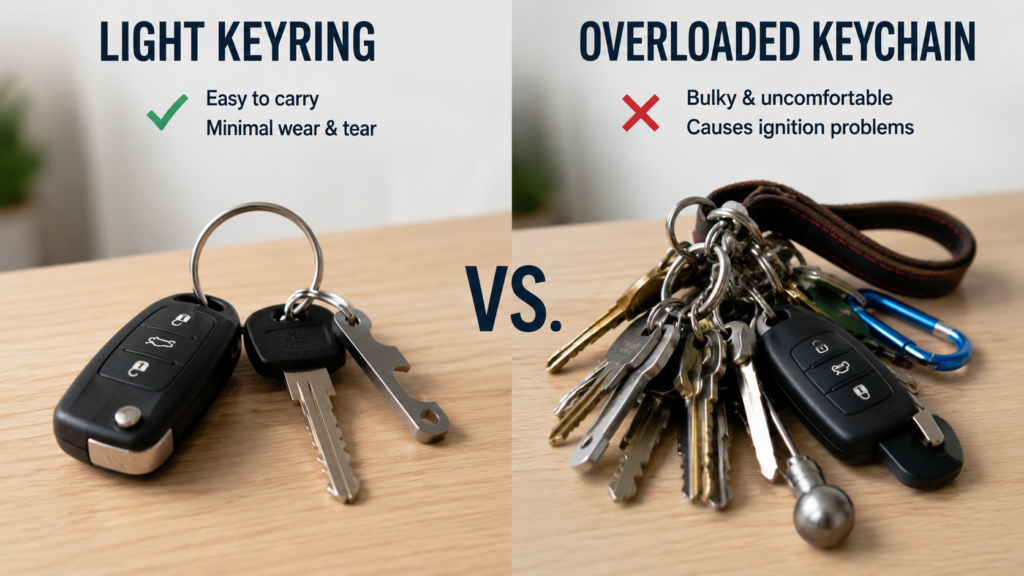
- Lighten your keychain. A heavy keychain pulls on the ignition cylinder every time you drive, wearing the internal tumblers faster over time.
- Lubricate the cylinder once a year. Use a small amount of dry graphite lubricant in the keyhole. Avoid oil-based sprays, which attract grit.
[Image idea: photo comparing a light key ring vs. an overloaded keychain, to illustrate wear risk.]
Glovebox Kit for Lock Emergencies
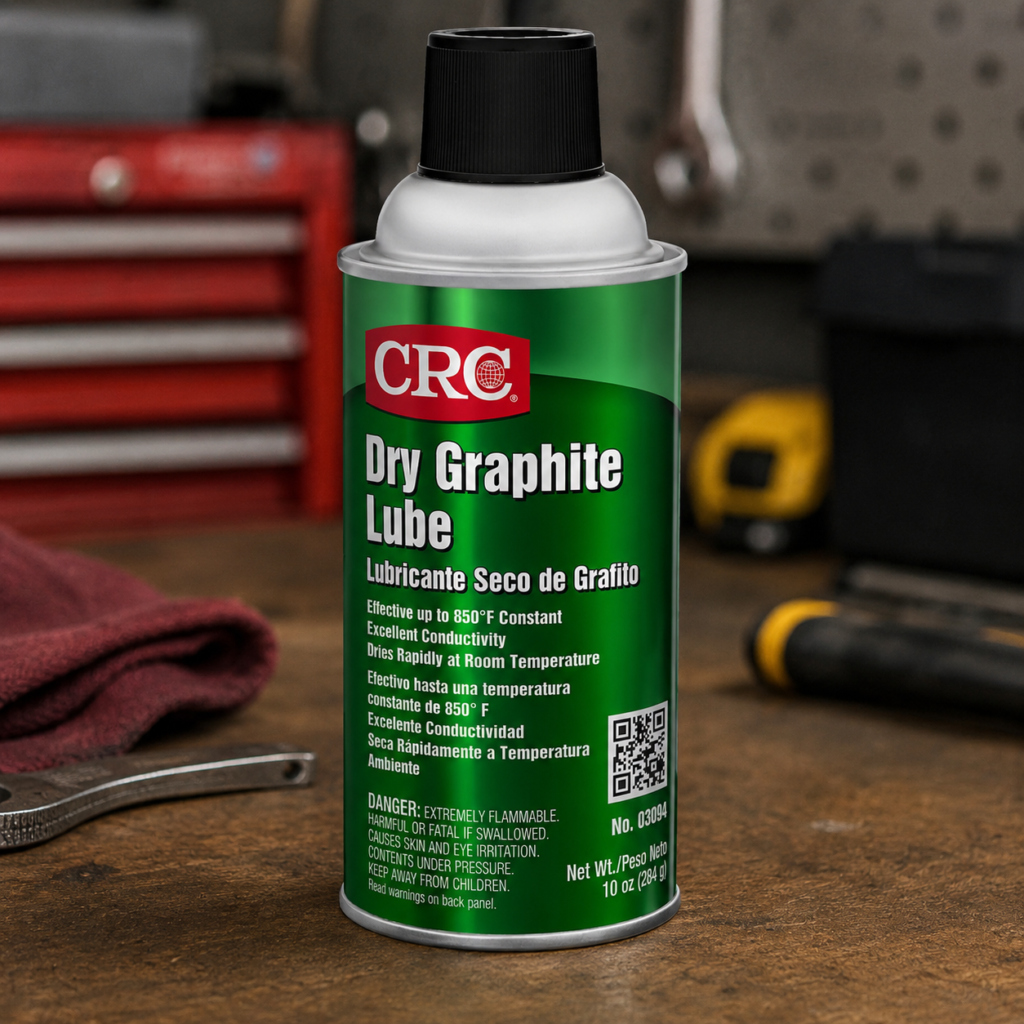
- Dry graphite lubricant — a few dollars, fixes a sticky pin in seconds.
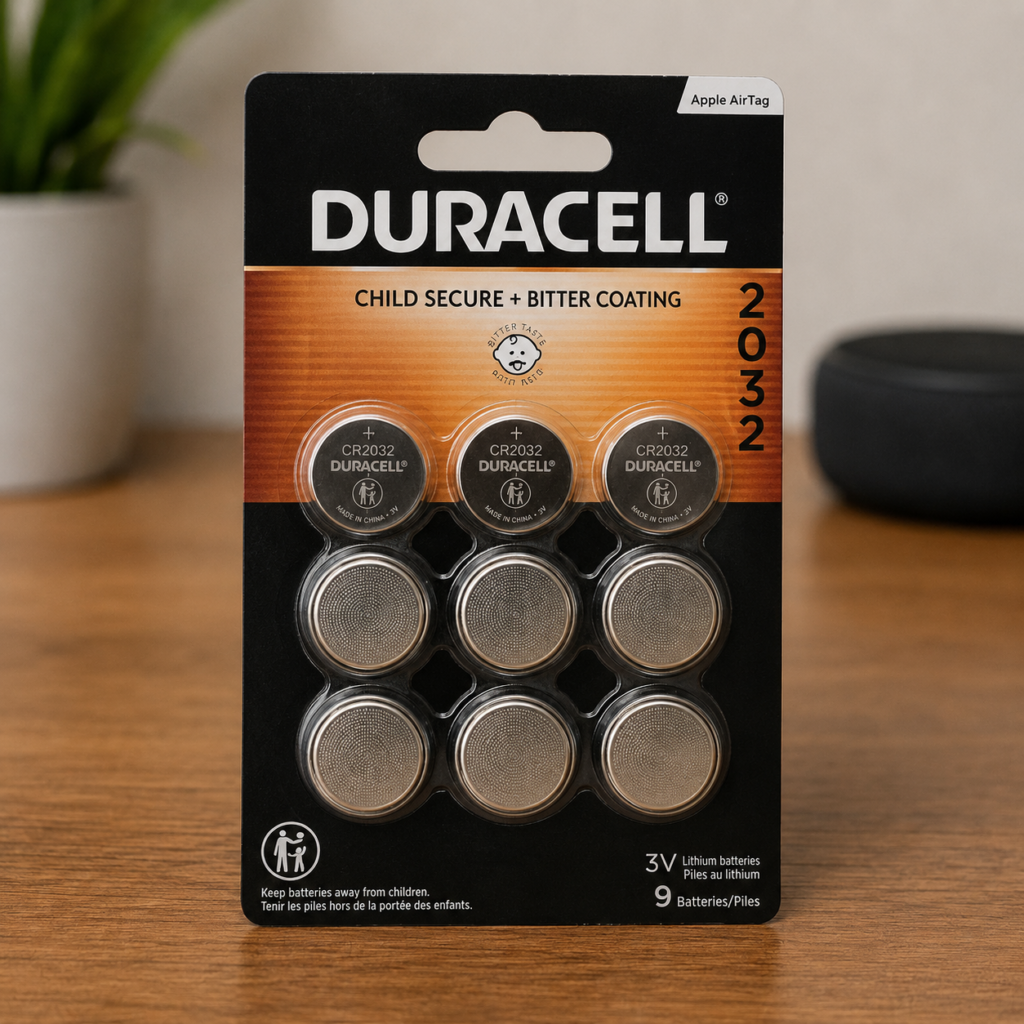
- Spare CR2032 battery — for push-to-start fobs.
- Small rubber mallet — a light tap on the steering column can sometimes free a stuck pin. Do not hit it hard.
When to Call a Professional
- The key snaps in the ignition. Don’t try to dig it out yourself — you risk pushing it deeper. Call a locksmith.
- The key turns, but nothing happens. This points to a dead ignition switch, not the steering lock.
- The column is physically damaged, for example, after an attempted theft. This needs a mechanic, not a DIY fix.
FAQs
No. The mechanical lock is a spring-loaded pin with no electrical draw. A dead battery has a different cause.
Yes. Excessive force can bend the lock pin or damage the steering column. Use steady, gentle pressure instead.
This should never happen while the key is in the “on” position, and it’s extremely rare. If it does, it usually signals a serious mechanical fault. Keep control using the brakes, avoid trying to force the wheel, and get the vehicle inspected immediately.
It’s mechanically possible but not recommended for a daily-driven street car, since it removes a federally required anti-theft feature and may affect roadworthiness or insurance in some situations. This is really a question for a qualified mechanic, not a DIY project.
Nearly all gasoline cars built for the U.S. market since the FMVSS 114 requirement have some form of steering or engine lock. Some newer EVs handle this differently, using software-based lockout rather than a mechanical pin — check your owner’s manual for specifics on your model.
Yes, this is a common way keys snap. The key is softer than the lock pin, so force damages the key first.
It varies a lot by vehicle and whether the job needs airbag disarming or transponder key programming. Get a quote from a local locksmith or dealership rather than relying on a fixed number — costs vary widely (see the troubleshooting table above for a rough range).
You’re Back in Control
A locked steering wheel feels alarming, but it’s almost always a simple mechanical pin under pressure — not a broken car. Turn the wheel gently toward the springy side, wiggle the key, and it should release in seconds.
If it doesn’t release, or it keeps happening, don’t keep forcing it. Use the troubleshooting table above to figure out what’s really going on, and call a professional when it’s outside a quick DIY fix.
References
- NHTSA — FMVSS 114 Theft Protection and Rollaway Prevention, official interpretation letters: https://www.nhtsa.gov/interpretations/11082-2
- NHTSA FMVSS Quick Reference Guide (lists Standard No. 114): https://www.nhtsa.gov/sites/nhtsa.gov/files/fmvss-quickrefguide-hs811439.pdf
Note: I verified that these two NHTSA sources support the “steering lock required since 1969 under FMVSS 114” claim. I did not verify a specific repair-cost statistic or the “30% of service calls” survey claim from the earlier draft, so I removed both rather than publish an unconfirmed number. If you have a real source for repair-cost data, swap it into the troubleshooting table’s footnote.
Author Bio
Alex Mercer is an ASE-certified automotive writer and former mechanic with over 15 years of hands-on experience. Alex specializes in breaking down complex car problems into simple, actionable steps for everyday drivers. His data-driven approach and passion for helping people stay safe on the road have empowered thousands of readers to handle car troubles with confidence. When he is not writing or under the hood, he is restoring vintage trucks.

I love hung out around cars since I knew what a car was. I grew up in the backseat of a 1995 Ford Contour and 2010 Volkswagen phaeton w12 before discovering how to drive a manual 1979 Porsche 911SC. Now I use my 2001 BMW M5.